Essential Tools and Equipment for Professional Yard Leveling

Yard leveling plays a key role in creating a safe, attractive, and functional outdoor space. Whether correcting uneven ground, improving drainage, or preparing for landscaping, the right tools make all the difference. While small projects can be handled with basic equipment, larger or more complex yards benefit from professional expertise. That’s why property owners across the region rely on Patterson Grading for dependable results built on experience and proper equipment.

Understanding the Purpose of Yard Leveling

Yard leveling focuses on creating smooth, balanced surfaces that allow water to flow away from structures and prevent erosion. Uneven ground can lead to standing water, soil loss, and poor usability. High-quality Yard Grading and Leveling Services address these concerns by reshaping the land with precision, ensuring both appearance and performance are improved.

Basic Hand Tools for Small Yard Projects

For minor leveling tasks, simple hand tools are often enough. These tools are commonly used for touch-ups, shallow low spots, or small areas.

  • Shovels for moving soil between high and low areas
  • Landscape rakes for spreading and smoothing soil
  • Hand tampers for compacting soil and reducing settling
  • Levels or string lines for checking slopes and consistency

While these tools work well for small spaces, they require time and physical effort and may not achieve uniform results on larger properties.

Power Tools for Improved Efficiency

As yard size increases, power tools become more practical. Equipment such as plate compactors and small tillers help loosen and firm soil efficiently. Compacting the soil properly is essential for long-term stability, preventing future sinking or uneven surfaces. Professional Yard Grading and Leveling Services rely on these tools to create durable, balanced ground conditions.

Heavy Equipment for Precision Grading

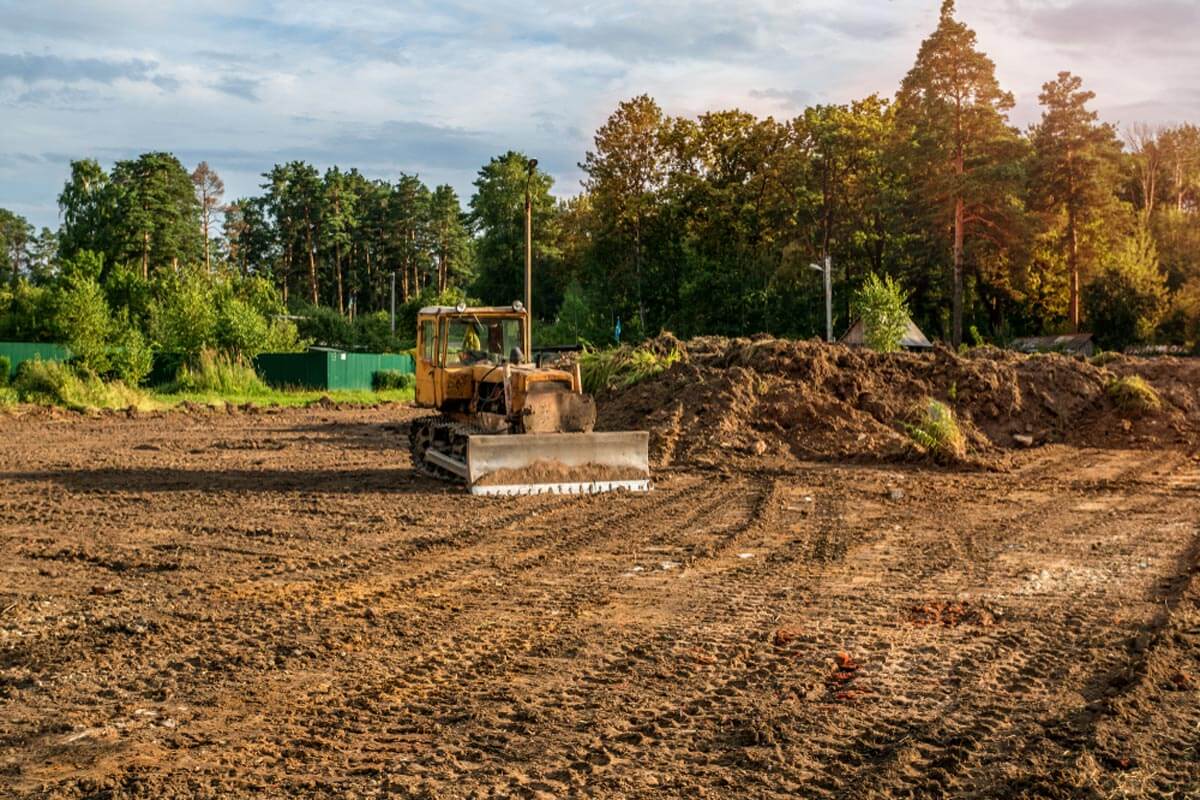
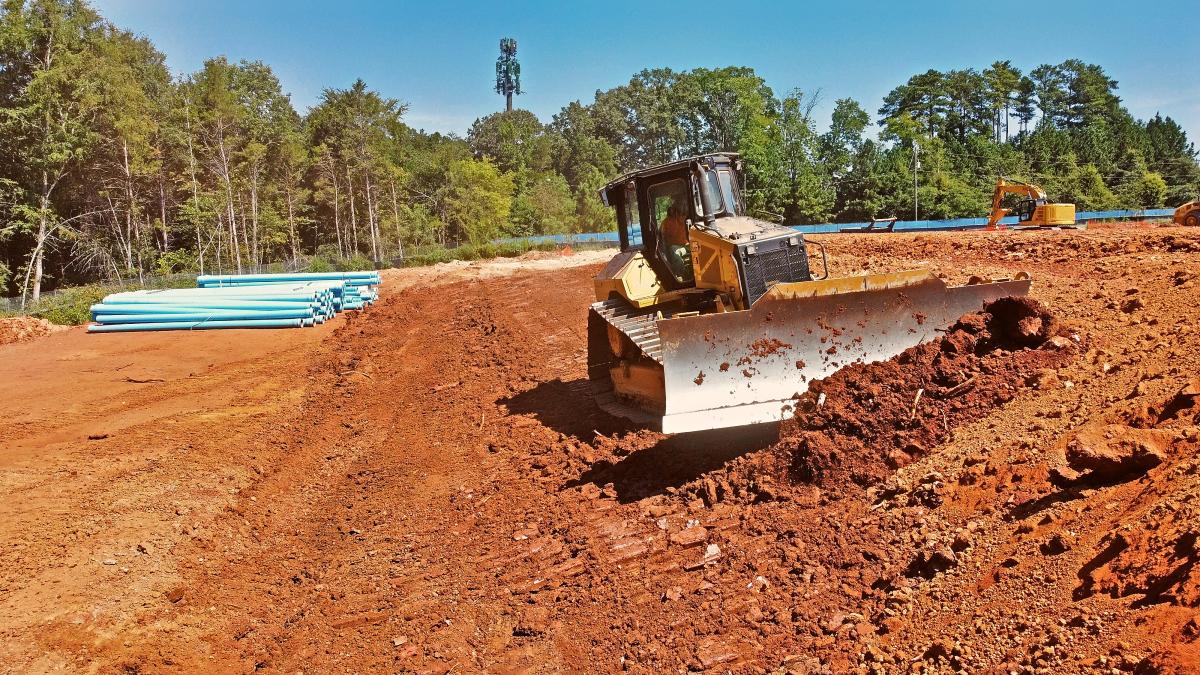
Larger yards and more demanding projects require heavy equipment to achieve accurate results. This machinery allows operators to reshape land efficiently while maintaining consistent slopes.

  • Skid steer loaders for moving and shaping large volumes of soil
  • Mini excavators for precise digging and contouring
  • Tractor-mounted grading attachments for smoothing wide areas

This equipment provides the accuracy needed for proper drainage and long-lasting performance, especially on uneven or sloped properties.

Measuring and Control Equipment

Accurate measurement is critical during yard leveling. Laser levels, grade rods, and slope indicators help ensure the land is shaped exactly as planned. These tools prevent over-grading and ensure water flows in the intended direction. Professional crews depend on precise measurements to deliver consistent results across the entire yard.

Why Professional Equipment Matters

Using the right equipment is not just about speed, it’s about quality. Improper tools can lead to uneven surfaces, poor compaction, and future drainage problems. Yard Grading and Leveling Services performed with professional-grade equipment produce smoother finishes and longer-lasting results, reducing the need for future corrections.

Experience Behind the Equipment

Even the best tools require skilled hands. Equipment must be operated with care to avoid damaging surrounding areas or disrupting soil structure. Patterson Grading combines modern machinery with hands-on experience, ensuring every project is handled with attention to detail and respect for the property.

Building a Strong Foundation for Your Yard

Tools and equipment are the backbone of effective yard leveling. From hand tools to heavy machinery, each plays a role in creating stable, functional outdoor spaces. While small projects may be manageable on your own, professional Yard Grading and Leveling Services ensure precision, efficiency, and lasting value. With the right equipment and experienced operators, your yard is shaped to perform well and look its best for years to come.

DIY Yard Grading Tips for a Healthier, Safer Property

A properly graded yard is essential for managing water flow, preventing erosion, and creating a safe, attractive outdoor space. While professional Patterson Grading services provide the expertise and equipment for precise results, homeowners can take steps to improve their yard’s grading on their own. Understanding the fundamentals of yard leveling and drainage is key to a successful DIY approach.

Understanding the Purpose of Yard Grading

Yard grading involves adjusting the slope and shape of your land to guide water away from structures and toward designated drainage areas. Poor grading can cause pooling water, soil erosion, and foundation issues. Learning the basics of Yard Grading and Leveling ensures your efforts create long-term benefits and reduce costly damage.

Assessing Your Yard

Before starting any work, walk your property to identify low spots where water collects and high areas that may need to be smoothed out. Observe natural water flow during rainfall, noting areas prone to flooding or erosion. This assessment will guide your DIY plan and ensure your yard grading adjustments are effective and targeted.

Basic Tools and Equipment

Even small DIY projects require the right tools. A few essentials include:

  • A garden rake or landscaping rake for smoothing soil
  • A shovel for moving dirt from high spots to low areas
  • A level or string line to check slopes
  • Wheelbarrow for transporting soil

While DIY grading can improve surface drainage, professional Yard Grading and Leveling Services often rely on heavy equipment to achieve precise, consistent slopes across larger areas.

Creating Proper Slopes

When grading, the general guideline is a gentle slope away from buildings, ideally 2-5% grade for effective drainage. Start by removing soil from high spots and moving it to low areas. Compact the soil lightly to prevent future settling. Maintaining consistent slopes ensures water flows naturally and reduces the risk of pooling near foundations or garden beds.

Managing Erosion During DIY Projects

Exposed soil can erode easily, especially on sloped areas. Planting grass, ground cover, or installing mulch can stabilize the soil after grading. Incorporating drainage solutions such as shallow swales or small channels also helps manage water flow. These small steps mimic the results of professional Yard Grading and Leveling by protecting the soil and preventing damage.

Knowing When to Call Professionals

DIY yard grading is suitable for minor adjustments, small yards, or basic drainage improvements. However, larger properties, steep slopes, or projects requiring precise grading should involve professionals. Patterson Grading provides expert Yard Grading and Leveling Services that guarantee accuracy, safety, and long-lasting performance for more complex projects.

Maintaining Your Graded Yard

Once grading is complete, regular maintenance is key. Inspect your yard after heavy rains to ensure water flows as intended. Refill low spots, manage erosion, and maintain vegetation to preserve slope stability. Proper upkeep enhances the effectiveness of DIY grading efforts and supports long-term yard health.

Creating a Functional and Beautiful Yard

With careful planning, basic tools, and attention to detail, homeowners can successfully improve their yard’s grading. While DIY efforts can be effective, professional Yard Grading and Leveling Services ensure precise results, especially for larger or more complex projects. Combining knowledge with practical action helps create outdoor spaces that are both beautiful and functional, protecting your property for years to come.

Professional Gravel Spreading Services in NC: Types, Costs & Application Methods

The first step towards the correct laying of a gravel driveway or parking space is professional gravel spreading services in NC. It does not matter if you are installing a new driveway or doing the resurfacing an old one or preparing the ground for construction; the use of the right techniques, proper materials, and good equipment will determine the durability of the results. Patterson Grading offers reliable gravel services tailored to the environment for homeowners, contractors, and landowners across North Carolina.

Understanding Gravel Types and Applications

Needless to say, gravel is a very important material based on the project type. Among the most popular of all types are the likes of the crusher run, #57 stone, and various road basing materials that are made from gravel. Consequently, crusher run might just be the most suitable material of all to construct the lower layers of both roads and driveways due to its good compaction as well as surface-strengthening properties. On the other hand, #57 stone is the preferred material for the top layer usage because of its efficient drainage and smooth finish characteristics. Professional workmanship will be the one to determine the gravel types according to the necessary traffic, site conditions, and long-term durability characteristics of your project.

Gravel Delivery and Installation

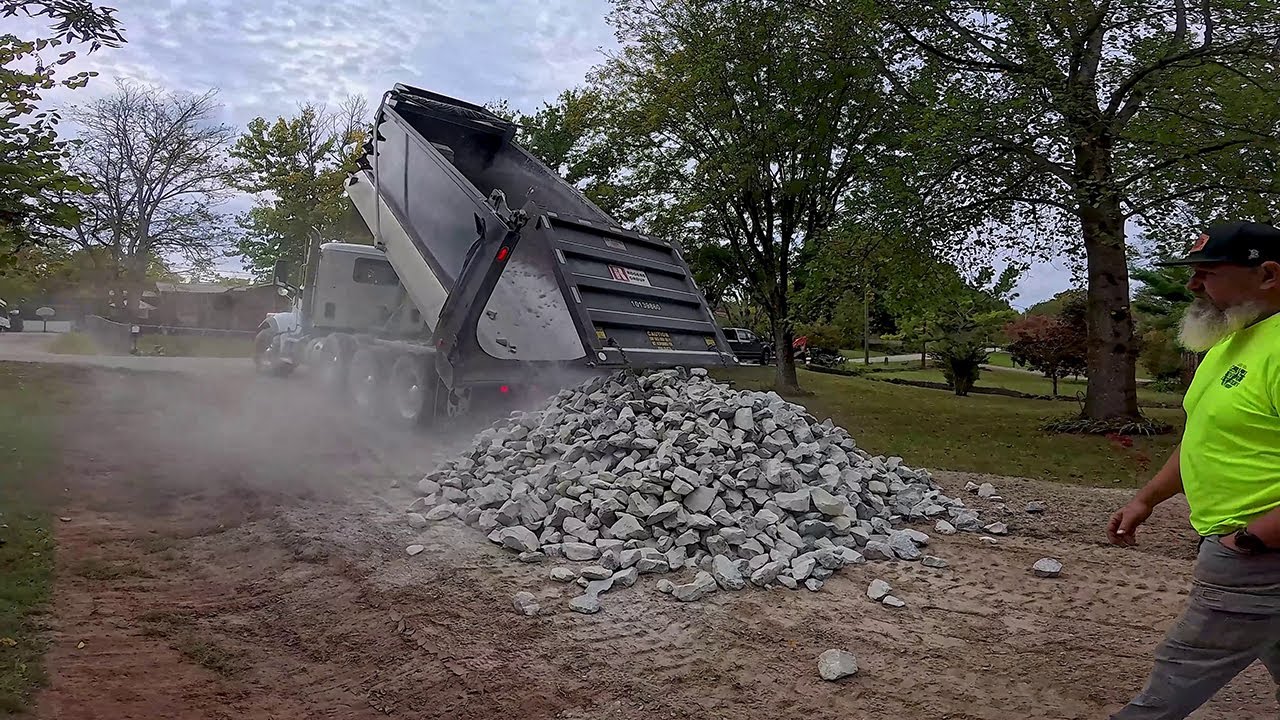
In North Carolina, the professional gravel delivery service guarantees that materials will be delivered on time and in the proper amount. The installation contractor will supervise the entire process from unloading and spreading to grading and compacting. The driveway gravel installation techniques will consist of:

  1. Eliminate all objects and make the area smooth to drain.
  2. Lay crusher run or road base for a strong base.
  3. Spread the chosen gravel type uniformly.
  4. Employ the right gravel spreading equipment to compact each layer up to the industry standard.
  5. Make certain that water flows away properly to be sure that no ponds or erosion occurs.

Material Costs and Project Planning

Having a clear understanding of the gravel driveway cost is critical for the correct planning of your project. The types of gravel, layer depth, site accessibility, and delivery distance are the main factors affecting the prices. For a base layer, the cheapest option is often crusher run, while #57 stone and specialty aggregates can be very costly in the case of a top layer. Reputable contractors provide the most accurate estimates, which show exactly how much of each material, labor, and equipment is used.

Equipment Requirements and Best Practices

Professional gravel contractors in North Carolina use heavy-duty machines and tools to make their work more precise and less time-consuming. A combination of using a skid steer, compactor, and grading tools will mean that the spreading, compaction, and leveling will be done perfectly. Besides, adherence to proper compaction standards is key to avoiding the occurrence of future ruts, erosion, or settling.

Why Choose Professional Gravel Spreading Services

If you select a professional team for gravel spreading services in NC, you will have a long-lasting, well-drained, and good-looking surface. The right materials for a driveway, parking place, or road base, the right ways of spreading, compaction, and grading have a great impact on the performance and longevity of the surface.

Using local expertise, high-quality machines, and the best practices for application, Patterson Grading provides gravel installations that can withstand the weather and traffic in North Carolina for many years.

Learn more about will Patterson Grading and explore [Excavation Contractor Andrews NC] (Blog #24) for proper gravel installation methods.

Complete Property Preparation Guide Land Clearing Services Near Young Harris, GA

Initiating land preparation for construction, farming, or overall property improvement again, more often than not, seeks the right land clearing services near Young Harris, GA. The proper way in which the mountainous areas like Young Harris, Georgia, are cleared involves a lot of things aside from just tree cutting, and among them are a very thorough knowledge of the site, soil conditions, environmental regulations, and the permits that go along with each of the requirements. Having an experienced local contractor take care of your property being cleared in a way that is safe, legal, and development-ready.

Understanding Land Clearing in Young Harris, Georgia

Young Harris, Georgia, renders the land clearing of Towns County that is in the area with a sloping nature, dense vegetation covering, and various soil conditions. Clearing land for homes, roads, and farming use are some of the common activities that demand Young Harris land clearing. The mountainous and wooded nature of the region is such that the very techniques of clearing must be selected very carefully so as not to cause erosion, drainage problems, and disturbance of the land that is not necessary.

With the use of the state-of-the-art land clearing equipment, the contractors are able to clear land in an environmentally sound and efficient manner. The use of such methods as selective forest clearing, brush cutting, and controlled stump removal becomes very beneficial for the landowners in that they are preserving the soil of good quality and, at the same time, getting rid of the unwanted plants.

Georgia Regulations and Towns County Permits

Every land clearing in Georgia has to be in accordance with Georgia forestry rules and policies regarding the environment. It may happen that environmental permits are needed before the beginning of the work, depending on the size and location of the project. The authorities of Towns County still make it a rule that permits must be obtained for lots where grading, drainage changes, and developments are done. A knowledgeable contractor will be a property owner’s best friend in the process of obtaining these permits, and thus, the whole process of meeting regulations will be done without the arrival of the equipment on-site.

Environmental Best Practices and Erosion Control

One of the major goals of the property clearing in Georgia project is to cause the least negative impact on the environment. Among the main practices to be adopted are diversion of runoff, protection of adjacent water bodies, and soil stabilization after clearing. Erosion control methods such as grading, mulching, and drainage planning are very effective in maintaining land integrity and also preventing long-term maintenance problems from cropping up. Areas with sloping land around Young Harris are greatly affected by water movement; therefore, these practices, which otherwise might seem tedious, can save the soil from being damaged very quickly.

Local Soil and Terrain Considerations

The soil quality in Towns County is typically characterized by crystalline ground, high clay content, and slopes that are not even. These elements have an impact on the clearing process and the type of machinery that is needed. The professional lot clearing services are very well aware of the conditions mentioned and work accordingly so that the soil is firm enough and still good for development. The awareness of the local terrain not only saves the contractors from doing unnecessary excavation but also helps in proper site preparation.

Costs of Land Clearing Near Young Harris

A proper understanding of the costs of site clearing relies upon a number of factors which comprise, among others, the area, acreage, the density of vegetation, the gradient of the land, and the access to the property. The projects that involve the heavy tree removal in Young Harris or the thorough removal of stumps usually take more time and machinery as a result. Trustworthy contractors offer estimations that are clear-cut so the owners of the property are aware of what to expect before the commencement of work.

Preparing Your Property for Development

If you are going to build a new house, driveway, or any other form of land usage, professional land clearing will still make the foundation for success. The landowners can go ahead with their ideas and be sure of their position by getting the cooperation of professionals who know the land in Young Harris, Georgia, and are also familiar with the regulations of Towns County and the environment.

Selecting the most capable land clearing services near Young Harris, GA, not only guarantees but also ensures that your property gets prepared in a responsible, efficient, and local regulations-compliant manner.

Explore will Patterson Grading and browse our Excavation Contractor Andrews NC for complete property prep advice.

Gravel Driveway Repair in NC: Fix Potholes, Ruts & Erosion Permanently

A damaged gravel drive can quickly become more than just a visual nuisance. If left untreated, it will not only lead to difficult access to daily needs but also to expensive repairs as a result of potholes, ruts, and erosion of different forms. The expert gravel driveway repair services in NC target to address these issues from the source rather than just putting a bandage over it. In North Carolina, with its varied rainfall, elevation, and soil types, a lasting driveway repair will necessitate the use of the right materials, drainage planning, and proven methods.

Common Gravel Driveway Problems in North Carolina

The gravel driveways in North Carolina are commonly affected by potholes, washouts, and surface erosion problems. Heavy rainfall can cause the gravel to be displaced, while improper compaction results in sinking and ruts. Without the proper road base and drainage solutions in place, even the most recently repaired driveways can quickly fail. Acknowledging these issues is really the first step to getting and sustaining long-lasting results.

Step-by-Step Gravel Driveway Repair Process

Professional contractors follow a structured approach to ensure durable repairs:

  1. Assessment: Identify potholes, soft spots, drainage issues, and base failures.
  2. Excavation: Remove damaged gravel and unstable material beneath the surface.
  3. Base Preparation: Install or repair the road base using materials like crusher run for stability.
  4. Drainage Improvements: Shape the driveway and add drainage solutions to redirect water.
  5. Gravel Installation: Apply the correct gravel types based on traffic and usage needs.
  6. Compaction: Use proven compaction techniques to lock materials in place and prevent future movement.

This process ensures repairs address structural issues rather than offering temporary fixes.

Materials That Make the Difference

Permanent repairs greatly depend on the quality of the materials used. Crusher run is a popular base material due to its ability to compact tightly and resist erosion. Depending on the durability and appearance required, certain gravel types are chosen for the top layers. The right combination of materials not only enhances the load-bearing capacity but also lessens the maintenance needs over a period.

Drainage and Erosion Control Best Practices

The main problem for gravel driveways is water. Some driveway erosion solutions are proper crowning, side ditches, and grading that are done to lead the water away from the driveway surface. Contractors specializing in gravel road maintenance know how to incorporate erosion control measures that will keep the driveway safe throughout the year.

Before-and-After Results That Last

The most profound differences in the condition of a driveway can be observed in many cases after the intervention of a professional. Standing water, loose gravel, and deep ruts characterize the driveway before the repairs. The surface becomes smooth, safe, and more wear-resistant after the gravel’s base is reconstructed, corrected, and compacted properly. These changes give proof of the first-rate gravel driveway contractor’s hiring, which is a must to guarantee good performance for a long time.

Costs and Long-Term Maintenance

Driveway repair cost for NC homeowners may rely on driveway length, damage extent, and the type of materials used as such. To a certain extent, the price of initial repairs may exceed that of quick fixes, yet the latter would cause high future costs. The maintenance schedules of the driveway, such as periodic regrading and gravel topping, help to prolong its life and to hold off major repairs.

Why Professional Repair Matters

The journey of a driveway from pothole repair to full surface restoration is a professional gravel driveway repair done with an eye on durability, drainage, and proper construction techniques. The combination of the right materials, expertise, and maintenance plan turns the North Carolina homeowners’ dream of a stable and essentially everlasting driveway that survives the changing conditions into reality.

Learn more about will Patterson Grading  and check[Excavation Contractor Andrews NC] (Blog #24) for reliable driveway restoration guidance.

Top Excavation Contractors in Murphy, NC: Services, Pricing & Local Expertise

When you’re planning a construction project in the mountains of Western North Carolina, the excavation phase isn’t just about moving dirt—it’s about understanding the unique terrain that makes this region both beautiful and challenging. At Patterson Grading, we’ve spent years mastering the specific demands of excavation work in Murphy and throughout Cherokee County, where mountain slopes, varying soil compositions, and unpredictable weather patterns require more than standard equipment and techniques.

Whether you’re breaking ground on a new home in the Tomotla community, preparing a commercial site near downtown Murphy, or clearing land in the Marble area, the success of your entire project depends on proper excavation and grading. Here’s what three decades of local experience has taught us about getting it right.

Understanding Murphy’s Unique Excavation Challenges

The terrain around Murphy differs dramatically from the flatter regions of North Carolina. Our location in the Southern Appalachian mountains means excavation contractors face several distinct challenges:

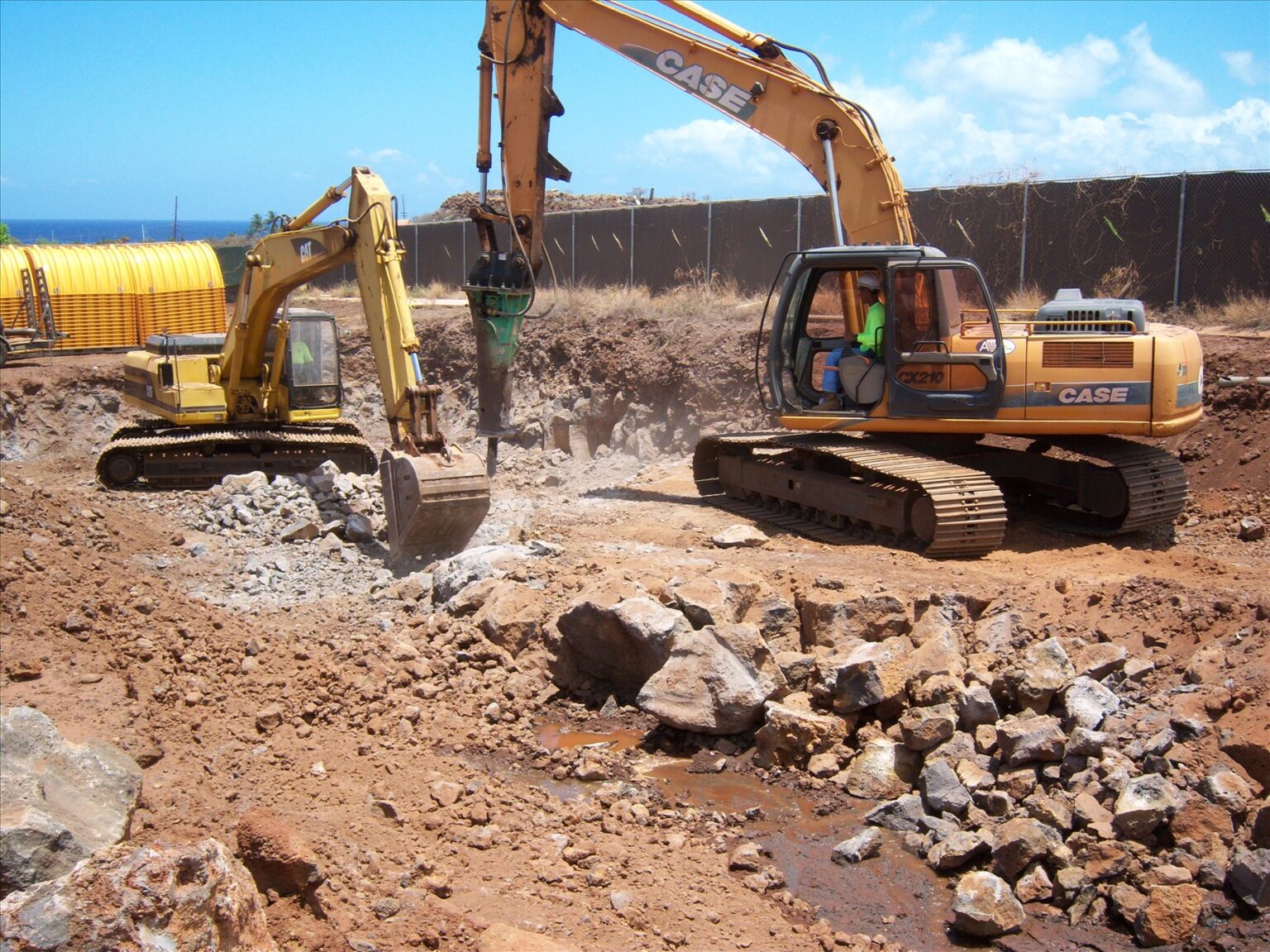
Rocky Soil and Shallow Bedrock Unlike the clay-heavy soils found in the Piedmont, Murphy’s ground often reveals layers of granite and metamorphic rock just feet below the surface. We’ve worked on residential sites in Valley River Estates where bedrock appeared at depths of only 3-4 feet, requiring specialized rock-breaking equipment and adjusted foundation plans. This geological reality affects both timelines and costs—something many out-of-area contractors don’t anticipate until they hit rock.

Steep Slopes and Drainage Concerns With elevations ranging from 1,500 to over 4,000 feet in Cherokee County, proper grading becomes critical. Water doesn’t just drain here—it rushes. We’ve seen improperly graded sites in the Hanging Dog area experience severe erosion after a single heavy rain. Our excavation plans always account for seasonal runoff patterns, incorporating French drains, retention walls, and strategic grading to direct water away from foundations.

Seasonal Weather Impact Murphy receives approximately 55 inches of rainfall annually, concentrated heavily in spring and late summer. Winter freezing can extend into March, affecting ground conditions. We typically recommend scheduling major excavation work between late April and October when soil conditions are most predictable and equipment access is reliable.

Comprehensive Excavation Services We Provide

Residential Foundation Excavation

For homebuilders in Murphy, foundation preparation requires precision. We’ve excavated for everything from modest mountain cabins to luxury homes overlooking Lake Hiwassee. Our process includes:

  • Complete site surveying and grade verification
  • Basement and crawlspace excavation matched to soil bearing capacity
  • Footer trenching with proper depth calculations for frost lines (typically 12-18 inches in this region)
  • Backfill and compaction using controlled density specifications

Recent project example: A 2,400 sq ft home near Peachtree we excavated last fall required removing 340 cubic yards of material and creating a level building pad from a 15-degree slope. The project took 6 days from initial clearing to final grade.

Commercial Site Development

Commercial projects demand additional considerations—parking lot grading, utility corridor planning, and ADA-compliant access. We’ve prepared sites for retail buildings, medical facilities, and warehouse operations throughout the area.

Land Clearing and Site Preparation

The mountainous terrain often means working around mature hardwoods and addressing stump removal in rocky soil. Our land clearing service includes:

  • Selective or complete tree removal
  • Stump grinding to 12-18 inches below finished grade
  • Debris removal and proper disposal
  • Topsoil preservation for landscaping

Utility Trenching and Infrastructure

Running water lines, sewer connections, electrical conduits, and fiber optic cables requires trenching that accounts for proper depth, bedding material, and future access. We coordinate with local utility providers and follow Cherokee County specifications for all underground installations.

Drainage Solutions

Poor drainage destroys more mountain properties than almost any other factor. Our drainage work includes:

  • French drain installation with properly sized aggregate and perforated pipe
  • Retention pond excavation and grading
  • Swale creation for surface water management
  • Culvert installation for driveway crossings

What Proper Licensing and Insurance Mean for Your Project

Patterson Grading maintains full licensing through the North Carolina Licensing Board for General Contractors, along with comprehensive liability insurance and workers’ compensation coverage. But these aren’t just bureaucratic checkboxes—they’re your protection.

When we excavate your site, you’re protected if equipment damages existing utilities, if weather delays extend the project, or if unforeseen ground conditions require plan modifications. Our insurance also covers any team member working on your property, eliminating your liability risk.

We also maintain OSHA safety certifications and require our equipment operators to complete annual training updates. In 25+ years of operation, we’ve maintained a zero-incident safety record—something we’re genuinely proud of.

Real Excavation Costs in Murphy: What to Actually Expect

Pricing transparency matters because unexpected costs damage trust. Here’s honest information about what excavation costs in this area:

Typical Residential Projects:

  • Basic house site preparation (0.25-0.5 acres): $3,500 – $8,000
  • Full basement excavation: $12,000 – $25,000 depending on depth and rock conditions
  • Septic system installation site work: $2,500 – $5,500
  • Driveway excavation and base preparation (per 100 ft): $1,800 – $3,500

Factors That Increase Costs:

  • Extensive rock that requires hydraulic hammering or blasting: +30-60%
  • Limited access requiring smaller equipment: +25-40%
  • Wet conditions requiring additional compaction or material: +15-30%
  • Disposal of contaminated soil or construction debris: Variable based on material

Timeline Expectations: Most residential excavation projects take 3-10 working days, weather permitting. We’ve found that transparent communication about potential delays—whether from rock, weather, or utility coordination—prevents frustration and keeps projects on track.

Why Working with a Local Contractor Makes a Difference

We know the building inspectors in Cherokee County by name. We understand that certain areas near the Hiawassee River require additional foundation depth due to soil conditions. We have relationships with local aggregate suppliers, which means faster material delivery and better pricing.

When unexpected rock appears, we don’t need to wait days for specialized equipment—we have hydraulic breakers ready. When a sudden afternoon thunderstorm turns your site into mud, we know it’ll drain and dry faster than contractors from Charlotte might expect, because we understand local soil percolation rates.

We’ve also excavated enough sites in subdivisions like Wolf Creek Estates and Mountain Harbour to know their specific challenges before the first scoop of dirt moves.

Questions Murphy Property Owners Frequently Ask

How deep do foundations need to be in Murphy?

Frost depth requirements typically mandate footers at least 12 inches below grade, but we often recommend 18 inches, especially for northern exposures or higher elevations. For areas with shallow bedrock, we may suggest alternative foundation designs that your engineer can specify.

Can you excavate during winter?

We can work most winter days when temperatures stay above freezing and ground conditions permit equipment access. However, we typically don’t schedule major projects between December and March due to weather unpredictability.

What happens if you hit rock?

Rock isn’t if—it’s when and how much. We include contingency provisions in our estimates for minor rock conditions. Extensive rock requiring hydraulic breaking or blasting requires additional discussion about costs and timelines, but we handle all permitting and contractor coordination.

Do you handle erosion control?

Yes, absolutely. We install silt fencing, establish temporary drainage channels, and can implement comprehensive erosion control plans that satisfy county inspection requirements.

How do you protect existing wells or septic systems?

Before excavating, we locate all existing utilities, wells, and septic infrastructure. We maintain safe distances during excavation and can coordinate with well drillers or septic installers if systems need relocation or protection.

Getting Your Excavation Project Started

Every project begins with a site visit. We’ll walk your property, discuss your plans, evaluate access and ground conditions, and provide a detailed written estimate. For properties with challenging terrain or unclear boundaries, we recommend having a survey completed before excavation begins—it prevents costly mistakes and potential boundary disputes.

Once you’re ready to proceed, we typically schedule work 2-4 weeks out depending on season and our project load. We maintain regular communication throughout your project, providing updates on progress and flagging any issues immediately so you’re never surprised.

Ready to discuss your excavation needs? Contact Patterson Grading at 828-557-3940 or email WAPattersonllc@gmail.com. We serve Murphy, Andrews, Hayesville, Brasstown, and all of Cherokee County with reliable excavation services backed by local expertise and honest workmanship.


Related Services: Looking for excavation contractors in nearby areas? Check out our Excavation Contractor Andrews NC page for information about our services throughout Cherokee County.


Patterson Grading is a family-owned excavation and grading company serving Western North Carolina and North Georgia since 1998. We’re licensed, fully insured, and committed to delivering quality excavation work that sets your project up for long-term success.

Finding Reliable Land Leveling Contractors for Your Property

Land leveling is a crucial step in preparing your property for construction, landscaping, or improved drainage. Choosing the right contractor ensures the work is done efficiently, safely, and with lasting results. With so many options available, it’s important to understand what makes a contractor trustworthy and capable. At Patterson Grading, reliability, experience, and precision are the foundation of every Land Leveling Services project.

Why Choosing the Right Contractor Matters

Land leveling affects the stability, drainage, and usability of your property. A poorly executed project can lead to erosion, pooling water, or uneven surfaces that require costly repairs. Reliable contractors deliver professional Land Leveling Services that balance functionality and aesthetics, ensuring your property remains safe, stable, and visually appealing over time.

Evaluating Experience and Expertise

One of the first factors to consider is the contractor’s experience. How long have they been providing Land Leveling Services? Have they worked on properties similar to yours? Experienced contractors understand the nuances of soil types, slopes, and drainage patterns. They know how to handle unexpected challenges while maintaining precision, making their expertise invaluable to the success of your project.

Checking References and Reviews

A trustworthy contractor will have references, testimonials, or online reviews from past clients. Speaking with previous customers provides insight into the quality, reliability, and professionalism of their work. Positive feedback is a strong indicator that the contractor delivers consistent results and can be counted on to complete Land Leveling Services efficiently and effectively.

Assessing Equipment and Resources

Professional land leveling requires the right equipment and skilled operators. Contractors with modern, well-maintained machinery can handle both small and large projects with accuracy. Evaluating the resources a contractor brings to the job ensures that your land will be leveled properly, reducing the likelihood of delays or errors during the process.

Understanding the Scope of Work

Clear communication about the scope of your project is essential. Reliable contractors provide detailed plans, timelines, and cost estimates for Land Leveling Services. They explain the steps involved, how drainage and soil stability will be addressed, and any necessary preparations. A transparent approach builds trust and sets clear expectations for the project.

Local Knowledge and Compliance

Choosing a contractor familiar with local terrain, soil conditions, and regulations is crucial. Local expertise ensures the land is leveled in a way that aligns with regional weather patterns and environmental considerations. Patterson Grading leverages years of experience in Western North Carolina and surrounding areas to deliver reliable, code-compliant results for every property.

Building Confidence Through Professionalism

Reliability isn’t just about technical skills, it’s also about professionalism. Timely communication, respect for your property, and attention to detail indicate a contractor who takes pride in their work. By prioritizing these qualities, you ensure your land leveling project is

Making the Right Choice

Finding a reliable land leveling contractor requires careful research, evaluation of experience, and attention to professionalism. With the right team, your property receives high-quality, dependable Land Leveling Services that enhance stability, usability, and appearance. Patterson Grading exemplifies these qualities, providing trustworthy solutions that give property owners peace of mind and lasting results.

Preparing Your Property for Professional Land Leveling Services

Proper preparation is the key to a successful land leveling project. Without it, even the most skilled grading work can encounter delays, complications, or unexpected results. Preparing your property ensures smooth execution, protects existing features, and maximizes the benefits of professional land leveling. At Patterson Grading, every project begins with careful planning and thorough property preparation to deliver precise and lasting results.

Assessing Your Property

The first step in preparing for Land Leveling Services is a detailed assessment of your property. This includes evaluating soil conditions, existing slopes, drainage patterns, and the location of trees or structures. Understanding these factors helps contractors create a clear plan, avoid potential obstacles, and ensure that grading work meets your property’s specific needs.

Clearing the Area

Before heavy equipment arrives, the work area must be cleared. This includes removing debris, brush, rocks, or old structures that could interfere with grading. Land clearing not only creates safe working conditions but also allows machinery to operate efficiently. Proper preparation at this stage sets the foundation for precise and effective Land Leveling Services.

Protecting Existing Features

Many properties have features that need to remain undisturbed, such as gardens, walkways, or mature trees. Preparing your property involves marking or fencing off these areas to prevent accidental damage during the leveling process. By protecting valuable features, professional contractors ensure that your property maintains its aesthetic and functional value.

Marking Elevations and Drainage Paths

Successful land leveling requires careful planning of slopes and drainage. Professionals may mark target elevations and flow paths to guide machinery accurately. This step ensures water moves away from structures, prevents pooling, and supports soil stability. Properly prepared drainage pathways are a critical part of effective Land Leveling Services and long-term landscape health.

Communication and Planning

Property preparation also involves clear communication between the contractor and property owner. Discussing goals, expectations, and any specific concerns helps prevent misunderstandings and ensures the final results align with your vision. Experienced teams like Patterson Grading take time to walk through every detail, creating a roadmap for a successful project.

Ensuring Safety and Accessibility

Preparing the property includes creating safe access routes for heavy equipment and operators. This reduces the risk of accidents and ensures that machinery can reach all necessary areas without causing damage. Well-planned access is an essential part of professional Land Leveling Services, contributing to efficiency and reliability.

Final Preparations Before Work Begins

Once the property is assessed, cleared, and protected, contractors can finalize their plan for grading. This includes reviewing equipment needs, soil handling methods, and expected timelines. Proper preparation ensures that when land leveling begins, the project proceeds smoothly, efficiently, and with precise results.

A Strong Foundation for Lasting Results

Preparing your property is more than just a preliminary step—it is the foundation of successful land leveling. With careful assessment, clearing, protection, and planning, professional Land Leveling Services deliver durable, functional, and visually appealing results. Patterson Grading combines expertise with meticulous preparation to create landscapes that perform well and remain stable for years to come.

Comparing Different Professional Land Leveling Methods

Land leveling is not a one-size-fits-all process. Every property has unique terrain, soil conditions, and intended use, which means different leveling methods may be required to achieve the best results. Understanding these approaches helps property owners choose the right solution for stability, drainage, and long-term performance. With years of hands-on experience, Patterson Grading applies the most suitable techniques to ensure dependable outcomes on every project.

Understanding the Purpose of Land Leveling

At its core, land leveling reshapes uneven ground into a smooth, functional surface. This process supports construction, landscaping, and drainage while reducing erosion and soil movement. Professional Land Leveling Services focus on balancing the land in a way that works naturally with the environment rather than against it. Choosing the correct method is key to achieving lasting results.

Rough Grading for Major Elevation Changes

Rough grading is typically the first step in larger projects where land requires significant reshaping. This method removes high areas and fills low spots to establish the basic layout of the property. It creates the overall slope needed for drainage and prepares the site for further refinement. Rough grading is often used for new construction sites, large properties, or land that has never been previously developed.

Fine Grading for Precision and Finish

Once rough grading is complete, fine grading refines the surface. This method focuses on smoothing the land and creating precise slopes that guide water away from structures. Fine grading is essential for yards, landscaped areas, and spaces where appearance and accuracy matter most. High-quality Land Leveling Services rely on fine grading to deliver clean, polished results that are ready for grass, plants, or hardscaping.

Cut-and-Fill Leveling Techniques

Cut-and-fill leveling involves removing soil from elevated areas and redistributing it to lower sections of the property. This approach minimizes the need for imported materials while maintaining balance across the site. It is especially effective for properties with uneven terrain, allowing the land to be reshaped efficiently without excessive waste.

Slope-Based Leveling for Drainage Control

In areas where water management is critical, slope-based leveling is often the preferred method. This technique creates controlled angles that direct water flow safely away from buildings and landscaped areas. It reduces pooling and erosion, helping protect foundations and soil structure. Reliable Land Leveling Services always consider natural water movement when selecting this approach.

Choosing the Right Method for Your Property

Selecting the appropriate leveling method depends on property size, soil type, and project goals. Residential yards may require fine grading, while undeveloped land benefits from rough grading or cut-and-fill techniques. An experienced contractor evaluates these factors carefully before beginning work, ensuring the method chosen supports both immediate needs and long-term performance.

Experience Makes the Difference

The success of any leveling method depends on the skill behind it. Equipment alone cannot guarantee accurate results without knowledgeable operation. Patterson Grading combines proven techniques with practical experience to deliver dependable Land Leveling Services tailored to each property’s needs. Their approach ensures the land is shaped with care, precision, and respect for the surrounding environment.

Building a Solid Foundation for the Future

Comparing different land leveling methods highlights the importance of professional planning and execution. When the right technique is applied, the land becomes easier to maintain, safer to use, and better prepared for future improvements. Proper leveling lays the groundwork for lasting value and peace of mind.

Introduction to Professional Land Leveling Services

Land is the foundation of every successful outdoor project. Whether preparing a homesite, improving drainage, or creating a usable yard, proper leveling is essential for long-term stability and appearance. Understanding how land leveling works and why it matters, helps property owners make informed decisions before starting any project. With experienced hands and local knowledge, Patterson Grading delivers dependable solutions built on precision and care.

What Land Leveling Really Means

Land leveling is the process of reshaping uneven ground into a smooth, balanced surface. It involves removing high spots, filling low areas, and establishing a consistent grade that supports drainage and safe land use. Well-executed Land Leveling Services ensure the soil settles evenly, reducing future shifting or erosion. This work sets the stage for construction, landscaping, driveways, and outdoor living spaces.

Why Proper Leveling Matters

Uneven land can create a long list of problems. Water may pool near foundations, soil can wash away during heavy rain, and structures may settle unevenly over time. Professional leveling prevents these issues by guiding water away from critical areas and stabilizing the ground beneath your property. Reliable Land Leveling Services protect both the appearance and integrity of your land, helping avoid costly repairs later.

Preparing Land for Residential Projects

Before building a home, garage, or outdoor feature, the land must be properly leveled. A smooth, well-graded surface allows construction materials to perform as intended and supports long-term durability. Leveling also makes it easier to install utilities, walkways, and driveways. This preparation phase is where attention to detail truly matters, ensuring every future step rests on solid ground.

Supporting Drainage and Soil Health

Land leveling plays a critical role in managing water flow. When soil is shaped correctly, rainwater moves naturally away from structures and landscaped areas. This reduces erosion and helps maintain healthy soil conditions. Thoughtful Land Leveling Services also preserve topsoil, allowing grass and plants to establish strong roots and thrive over time.

Equipment and Experience Working Together

Achieving precise results requires more than machinery alone. Skilled operators understand how different soil types respond to grading and compaction. With the right equipment and hands-on experience, professionals create smooth transitions and consistent slopes. Patterson Grading brings decades of practical knowledge to every project, ensuring accuracy without overworking the land.

Long-Term Value for Property Owners

Land leveling is an investment that pays off for years to come. A properly leveled property is easier to maintain, safer to use, and more visually appealing. It supports landscaping efforts, improves accessibility, and enhances overall property value. When done correctly, the results remain dependable through changing weather and seasonal conditions.

A Strong Start for Any Property

Understanding the importance of land leveling helps property owners plan with confidence. From preparation to final grading, professional care ensures the land performs as intended. With a focus on precision and lasting quality, Patterson Grading provides trusted Land Leveling Services that form the backbone of successful outdoor projects. A level foundation today creates fewer problems tomorrow and delivers peace of mind that lasts.